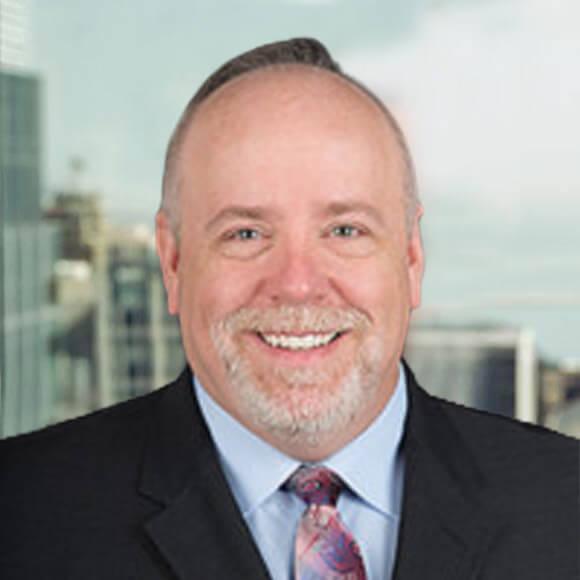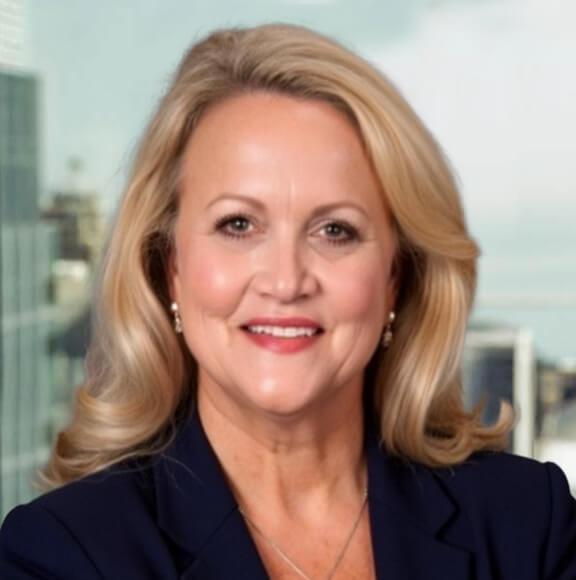

Kathleen Wessel, vice president of business management and operations at the AHA, is joined by Stephen Lovern at Carilion Clinic and by Barbara McClenathan and Joan Cox at Surgical Directions. In this discussion, they’ll dive into strategies for enhancing surgical operations through efficient processes and collaborative cultures. Discover what it takes to create a high-performing perioperative infrastructure that drives better outcomes and operational excellence.
Podcast Transcript
0:00 Effective surgical services are deeply influenced by efficient processes and
0:05 collaborative cultures. Today we explore what it takes to create a high-performing perioperative infrastructure.
0:14 Hello and welcome to AHA Associates Bringing Value, a podcast from the American Hospital Association. In this
0:20 series of podcasts, we speak with AHA associate program business partners, check out on their healthcare
0:25 initiatives and learn how they support AHA hospital and health system members. I’m Kathleen Wessel, vice president of
0:31 business management and operations with the AHA. And today I am joined by Steven Lever from Carilion Clinic and by Barbara
0:38 McClenathan and Joan Cox who join us from Surgical Directions. Join us as we
0:44 unpack improving surgical operations. Stephen, Barb, Joan, welcome to the podcast.
0:50 Thank you. Thank you. Thank you. Before we start, um, I want to introduce everyone to the audience. Can you each
0:56 share a bit about your career journey? Um, some key points about your current roles and how your background was
1:03 instrumental in this collaboration. And let’s start with you, Stephen. Hi. So, I’m Steven Leverne. I am the
1:09 vice president for the department of surgery and anesthesia at Carilion Clinic. Uh, I have been a nurse for over
1:15 25 years. I did start when I was 10 years old. So, um, just so we’re clear on that piece. Um, a nurse for
1:23 over 20 uh 25 years. I started my career actually as an even before that in EMS
1:29 which um I was the captain of the rescue squad at a very young age. Um and
1:34 so that drove me to nursing. I met a nurse, married a nurse and went to nursing school. I started out as an LPN
1:42 after I was an EMT or a paramedic. So I became an LPN. Um I took the long
1:48 way to um to a doctoral degree. Um, I started out, as I said, as an LPN, which
1:54 is a certificate program, and then went through an associates program, a bachelor’s program, a master’s program. Um, but all of those things, while it
2:01 was the long pathway to get here, um, I got to meet some enormous
2:07 uh amount of uh educators and some amazing individuals along the way. So it
2:12 it afforded me opportunities to see um how others uh lead whether it’s in the
2:18 classroom um in my masters and my doctoral programs they were all focused on administrative leadership and that
2:26 just allowed me opportunities to be able to dive in with others um in
2:31 an educational role and then take those things and bring it back to where we are here um today. Um a look about a
2:40 year and a half ago I met these uh individuals from Surgical and they’re amazing individuals. um you know
2:47 uh we met as a as a group to start this um this journey and I think all of
2:55 our experiences in the perioperative um the perioperative space um Barb’s
3:01 experience, Joan’s experience, my experience just allowed us to be able to speak openly and freely as leaders
3:08 to be able to develop and design what we wanted to accomplish and then they
3:14 brought tools to help us be able to do that. So, um, that’s a that’s a a long
3:20 journey, but it’s been a very much a worthwhile journey. Joan, would you like to go next?
3:26 Yes. Um, my name is Joan Cox, and I have been a nurse for 38 years, um, a little
3:33 over and my entire career has been spent in perioperative services in some
3:39 capacity. Uh prior to going with Surgical Directions, I um was employed
3:44 with Prisma Health and about the last 10 years at Prisma Health, um my role in
3:52 perioperative administration, I was responsible for standardizing perioperative services across the
3:58 upstate and then eventually across the Midlands working with Surgical
4:04 Directions and along with my experience um at Prisma health. It has aligned me
4:11 to work with other health care systems and hospitals to make improvements and
4:18 work on changing the culture and working on efficiencies and it’s been a great
4:23 experience with Steven and Carilion and Barb. Hi, I’m Barbara McClenathan. I’m the
4:29 vice president of nursing at Surgical Directions and much like my colleagues, I’ve been in the perioperative field for
4:36 greater than 30 years. My uh tenure started at the staff level and I worked
4:43 in organizations up in Western New York and in Florida and I was able to have
4:48 the privilege of leading very large high complexity academic perioperative services and in that I was able to
4:56 promote both operational performance and financial outcomes for my organizations.
5:02 I’ve been with Surgical Directions now for about 13 years and in this role I
5:08 have the ability to work with many hospitals across the nation. We’ve been in over 500 hospitals and we’re able to
5:16 strengthen operations that truly drive sustainable change and profits. And what
5:22 I enjoy most about working with Surgical Directions is I have the direct ability
5:27 to bring surgeons, anesthesia providers, nursing, sterile processing and leaders
5:32 together to mutually develop a unified plan so we really can deliver measurable
5:38 and lasting improvements. What a panel of experts. I am so excited to have you here. Thank you so much. Um
5:45 let’s get started and Stephen, we’ll start with you with the first question. um help us set the stage by sharing some
5:50 of the challenges curling clinic faced that served as the catalyst to enlist support from this team at Surgical
5:56 Directions. So you know it was 5 years ago uh prior
6:02 to the pandemic we had done a lot of internal work to really improve processes and get us into what we
6:08 thought was a really good place. Um like many health systems and many other organizations the pandemic
6:16 created a fracture um it created a fracture in processes efficiencies the
6:22 way we do things um it allowed us to get away from some of those
6:28 standardized processes that we had created previously. Um over time um
6:34 especially in the year before um Joan and Barb and team came in um
6:41 there was an increase in what I would call uh
6:46 behavioral frustration and body frustration. So it you know some people
6:51 are verbal about their frustrations and some they wear it on their body. Um you can see it in the way they carry
6:57 themselves. you can see it in the way that when you’re having a conversation um with them, they may not be, you know,
7:04 not everybody’s going to be direct um and share what’s for, you know, their
7:09 their concerns or their challenges, but um you can hear it in their voice. They’ll come and ask a question and
7:16 and use um different tactics to be able to get that information across. But
7:21 we as leaders, that’s one of the things we really have to do is not only way listen to what we hear, but watch what
7:27 we see. And that that seemed to be increasing more and more over time. Um,
7:33 not only from the physicians, but from the staff. Um, you know, the staff
7:38
would come in and you’re talking about a group of people who are very committed to our community, to our patients. They
7:43
live our values each and every day, but they were frustrated because it’s like they came in and they felt like they
7:49 couldn’t always do their job because there were obstacles or at the end of the day they didn’t get to go home on time because um their room ran a little
7:57 bit later and they’re very supportive of their surgeons and they want to stay as a team and finish taking
8:03 care of the patient that they’re on. Um and so efficiencies was certainly
8:08 suffering there for a while. um when you’re talking about um first case on time starts and turnover times, what are
8:15 the things that that prevent us from doing that? As we know, people can trust
8:20 leadership, they can trust um their peers, but sometimes when you’re trying to solve a problem, you know,
8:27 especially if you’re in in a room of individuals, you may or may not get um
8:32 feedback that truly helps change that process. Sometimes you have to turn away. And that’s one of the things I
8:38 will talk about, you know, as a leader is letting go. In surgery, we’re type A people. Um, so all of my colleagues on
8:45 this call are type A people. Um, and so letting go to be able to allow someone in to help is a huge step. And that’s
8:53 what we had to do. We had to bring someone in to hear the things that we weren’t hearing or see the things that
8:58 we weren’t seeing. Um, and what we thought were workable approaches,
9:05 it wasn’t working for us. So that that frustration just continued to build and
9:11 um we decided that as an organization we’ve got to do something different. Now what I will say is um and Joan and
9:20 Barb may elaborate a little bit on this but I think it was not so much that we were going from a bad place to a great
9:26 place but we were going from a good place to a great place. So, it’s going from good to great. And sometimes
9:33 that means so much to the staff and to the individuals and those were the problems that that we were
9:40 suffering. There were efficiency problems. Um, and being able to agree on how we solved them, we just were having
9:46 trouble doing that. So, you bring in uh individuals who don’t know the players. they interview um the
9:53 the teams um not knowing them and put together additional teams that that
9:59 really drive um change and that’s what we what we needed to start with and
10:05 when I mentioned earlier about uh Barb and Joan and I um spending quite a bit
10:10 of time and there were a couple other individuals involved um spending time talking about what we wanted. Those were
10:17 the essential things is how do how do we do this so that it’s it doesn’t feel like um you know it doesn’t feel
10:24 threatening. Unfortunately um consulting sometimes has a stigma like other things. It’s like you bring a
10:31 consultant in it’s I’m a bad person. I’m not doing my job. And we really had to from the very beginning um change the
10:37 face of that to say this is not that anybody’s doing a bad job but we can do a better job. And so we invited them
10:44 them in. And I think as you’ll learn through this podcast, we’ve had great successes.
10:49 That’s amazing. Um, so from the Surgical Directions perspective, you know, following your initial assessment of
10:55 Carilion Clinic, how did you start to form a plan and a timeline that built momentum, trust, and buy-in with all
11:01 these stakeholders? Uh I did the assessment at Carilion and during the assessment I was able to
11:08 meet with surgeons, anesthesia providers, nursing staff, leaders and what really struck me was how much
11:14 passion was in that organization. People genuinely cared about doing the great
11:20 work but all that energy wasn’t connected yet and without structure it
11:25 was difficult for them to move in the same direction. And as Stephen mentioned, there were numerous initiatives that came about prior to us
11:32 coming on board. So once the assessment was wrapped up, we sat down together and
11:39 we said, “Okay, okay, where can we make the biggest impact first?” And because we’ve been listening throughout the
11:45 entire process, the themes were really clear and it made it easy to sketch out
11:50 a plan that felt real and doable. So what we did is we kept it straightforward. We built some few
11:57 focused work streams and the work streams were daily operations,
12:02 scheduling, presurgical and scheduling and presurgical optimization, workforce strategy and an anesthesiology
12:10 working group. So we kept the work tight and this helped people see exactly where
12:15 they fit in and that that immediately helped to build trust.
12:20 for the timeline. We wanted to make sure that we would get some early wins on board. So when people
12:28 start to see something improve right away, even if it’s a small thing, even if it’s just coming together for a
12:34 shared goal, the momentum naturally picks up. Then we layered on the bigger
12:40 structural pieces so no one felt overloaded or overwhelmed. And it was over a period of time.
12:47 And I have to say honestly the moment the buy-in really solidified is when we
12:53 put in the governance in place and it was at SSC surgical services executive
12:58 committee. It’s led by a surgeon and an anesthesiologist and it showed everyone
13:04 that decisions would be made. They were transparent. They were data driven and
13:10 they were team led. And it wasn’t dictating. It was not top down. It was
13:15 leadership truly taking the reigns to do what’s best for the organization.
13:20 And I have to say that once the structure was clear, people saw their roles, they saw their feedback being
13:27 reflected in the plan, things started to move. And that’s when the trust came
13:32
about. It came from listening, keeping the plan simple, and making sure that
13:38 every step made sense, really made sense to the people that were doing the work, not just top down.
13:45 Thank you, Barbara. Joan, it sounds like both you and Barbara had some effective tools and
13:50 strategies to get started. Can you talk more about the overall solutions that were implemented at Carilion Clinic and
13:56 how your team empowered long-term sustainable change? Yes, as Barb mentioned, um, one of the,
14:06 you know, as anything in life, one of the main things is, uh, to be successful is building the relationships and the
14:12 trust. And that was a challenge at the beginning. Um,
14:19 we would go to meetings and the staff, you could tell, just like Steven was
14:25 saying earlier, it wasn’t that they were afraid to speak up. I think they just
14:30 did not really know what we were there for. So as time went on and we had what’s
14:37 called the performance improvement teams what Barb was speaking of every meeting
14:43 that we had as we would as we would discuss different processes um for
14:48 instance for their surgical pre-surgical optimization uh performance improvement
14:54 team. We had all the key players there, but they were not really confident in
15:00 sharing the information and feeling like they were in a safe place to talk
15:07 about, you know, what were the obstacles, what were the things that were working well, what were the things that were not working well. And what we
15:15 kept driving was that we had support from top down from the executive
15:23 team all the way through the managers, the leaders there in perioperative
15:28 services. And we just kept driving that that this was going to be a comfortable space to talk and that Steven and
15:36 others, you know, they wanted us to come in and help them with everything
15:41 that we possibly could to be more efficient um and um build that morale.
15:48 And you know, it was amazing to see. It did not take very long for us to see
15:54 that change. Instead of us leading a lot of the performance improvement teams,
15:59 the staff started leading them and they were having fun and it was so rewarding
16:07 to see that in such a short period of time. They saw through the work of the
16:13 SSC backing them. What we would do was we would implement come up with a process
16:18 at the staff level. Then we would present it to SSC for approval and then
16:23 we were ready to put it to action after that. What they saw was it truly
16:30 was happening in that way. SSEC approved it. They were on board with it. They
16:35 supported it and then once the staff started implementing it, they saw the support from the uh leaders and through
16:43 Steven. And so it just it gave them the momentum to continue working on all the
16:49 other processes that we wanted to work on. And it was it was just very
16:54 exciting to see how quickly the morale changed at Carilion. And once that
16:59 happened, you couldn’t stop them. They were they were unstoppable.
17:06 Yeah. I could imagine that level of engagement really does engender more and more participation. Um that’s
17:13 wonderful to hear. Um you Stephen you know let’s discuss some of the outcomes from your organization like what were
17:19 you expecting through this relationship and what are some of the key metrics that you’ve been monitoring since this has happened?
17:26 So when we started this um this journey uh there were a couple things that we wanted to do and that was set up
17:32 our governance structure um which is our surgical services executive committee who now governs um the operative space.
17:41 Um now this is for our for our level one trauma center. This is our um uh our
17:48 biggest location. You know we have multiple hospitals but this is our biggest location. So we went big bang
17:54 and started our process here. Um but some you know some of the metrics we were looking at was our first case on
18:00 time starts. Um we developed a unified definition um that the surgeons
18:06 agreed upon in in the SSC that the staff agreed upon, anesthesia agreed upon and
18:12 from that we went from somewhere around 40% to um now there are days because I
18:18 get a daily report we’re seeing 90% on time starts. Um and so there’s a huge
18:25 improvement there. turnover times. Um, you know, we started out at like 38
18:30 minutes um to impact turn uh turnaround times or turnover times. Um,
18:36 it takes a lot to change that number. So, there are days where we’re sitting down at 33 and 34 minutes, which
18:43 is huge. Some of the other things that we’ve not been able to measure them yet, but we will be the ne um the next time
18:50 our employee engagement survey comes out is really changing the morale and the culture where people feel enabled
18:58 to make change. Um you know, a lot of times there’s a thought process
19:03 that um if a process isn’t working, I’m going to go to my leader and they’re
19:09 going to make that change. the staff have really and I say the staff the staff physicians and the
19:14 anesthesiologists are physicians um but I’ll use the anesthesia group because that’s both
19:19 anesthesiologists and CRNAs but when what’s kind of interesting now is to watch them hold each other accountable
19:25 it’s no longer um this particular person is not getting here on time to be able
19:31 to get in the room on time so I’m going to go I’m going to go tell my manager it’s hey you were supposed to be here at
19:37 this time what happened this morning. So, they’re talking about it together. And prior to this um to this
19:45 journey, I don’t know that people felt enabled or empowered to be able to do
19:50 that or they felt like if they did that it was going to cause a riff in their relationship. We are a very um very much
19:57 a relationship oriented organization because not only I mean the people
20:02 that work here, our community is not I mean it’s a large community but it’s not um it’s not like New York and some
20:10 of these big cities. The people that that work in these hospitals, we’re taking care of our friends, our family,
20:16 our fam our friends families. Um, and so we always want to make sure, you
20:22 know, people always want to make sure their relationships are intact and I think there may have been some
20:28 hesitation because of that. And this has allowed people to really take on a new uh
20:34 a new task of holding each other accountable when these u metrics aren’t happening. So um our top three things um
20:42 that um we included was the governance structure which is our SSC, our
20:47 performance improvement teams for our first case on time starts or turnaround times and then now we’re into a phase
20:53 where we’re really looking at our block scheduling. How do we maximize scheduling so that we can improve access
20:58 for our patients? Maximize the access that we that is available and then where
21:04 do we need to add um you know add staff or resources to be able to
21:11 increase um our access. So, that that fourth piece is important, but that one
21:16 is a longer adventure um just because it’s a it’s a lot to change um
21:22 block schedules um and get people bought into that. But they absolutely have and
21:28 we started our new block on November 3rd and um the first week, you know, there’s
21:34 some ambivalence because change is change is here. I’m not sure if this is going to work. I I don’t know if I
21:39 like this. And then now it’s like, you know what, with our new blocks, I know the block is mine because it has my name
21:45 on it instead of our previous method of group block. But also what you’re what
21:51 you’re seeing is okay, we’re getting in the room on time. Our turn our rooms are turning over um in a timely manner. So
21:58 we’re getting done on time, if not maybe a few minutes early. So these tools that they’ve helped us um implement here,
22:05 just these four things, it’s much more than that. I don’t want to I don’t want to minimize it, but these four key
22:10 things that that we started with, they’re still in place. Um, you know, our performance improvement teams are
22:17 still in place. Um, they’re just uh managed by the staff. Um, and that
22:23 was part of part of the work that was being done was, you know, we have our consultants uh with us. Um, I don’t like
22:30 to call them consultants because they’re our friends. So, our friends here were with us. and how do we transition
22:37 um from our friends um uh owning these committees to our staff owning
22:43 these committees? And they did a very nice job of being able to transition that so that we don’t lose momentum over
22:49 time. Um, and so far it just when you walk up on the fourth floor,
22:56 which is where our OS are, when you see um people walking by with their heads up and that that body language is just so
23:04 different than where we were last January, um the tools, while they sound
23:10 so simple, they’re so impactful. And I promise they’re not simple. There’s a lot of work that goes into those
23:15 schools, but um I think we the successes that we’ve seen so far are
23:22 huge and um it’s made a difference. So um the other piece that I think is
23:28 important is the leaders. Um so the leaders in surgery are systemized. So I
23:34 have two senior directors. Um one that has the Renault campus because that’s two hospitals and one that has the
23:40 regionals. our next biggest hospital is already um put together committees to
23:46 implement these tools we learned here. So, it’s not just we learned them in this one space and we’re going to confine them there, but now we’re
23:52 starting to branch them out to other locations so that we can do, you know, have these same successes there. and
23:58 that and that’s been important, but that’s also um it’s a proud moment
24:03 to see that happen in the way that it’s starting to evolve around the organization to um all of our
24:10 facilities. Wonderful advice so far. What additional advice could you give other
24:15 organizations facing similar opportunities and like what expectations should they set for themselves in their
24:22 teams to balance any worries around change and some of the things that you’ve talked about you know this
24:28 outside perspective and insights? One of the things that I I did because
24:33 you say that you’ve got consultants coming in and the immediate um uh visceral reaction is I’m not doing
24:40 my job. I’m not doing a good enough job. um and it creates frustration. So, um I
24:46 put together a um about a 30-minute um presentation that I did for my all of my
24:52 leaders to help them understand what we were doing. And with that, it was we’re
24:58 not going from bad to good, we’re going from good to great. But it also helped them understand
25:04 the wise behind it. Um and it was, you know, it really um was developed to
25:12 to get them excited about it or to start that transition. A 30-minute meeting is not going to necessarily make create
25:19 that excitement because they’re still ambivalence. But that was the start of the conversation. So we started that I
25:24 started that probably 60 days prior to the engagement starting. And then, you
25:30 know, this trickled down to the staff and there’s lots of questions. And so, we had conversations about this daily
25:37 for about two months before the engagement started. So, you have to talk
25:43 it up with your teams and help them understand what it is, why you’re doing it. You know, access, I’ll use the
25:49 access um piece of it. Um we want, you know, we’ll add FTEEs for access, but
25:54 what we want to make sure of is that we have access. We want to be able to care for our patients. Um, and that was one
26:01 of the pieces in there is prior to prior to the pandemic, this is the number of patients that we cared for each year and
26:08 this is the number of FTEEs we had. This this time, you know, we’ve got this number of FTEEs and this is the number
26:15 of patients we’re caring for. So, they don’t necessarily line. How do we get those realigned? And when you
26:20 show data, people really absorb that much differently. Um so having
26:27 those conversations um prior to the engagement um not with everybody I’m
26:32 talking about staff physicians anesthesia um we’re uh we had conversations at our organizational
26:40 leadership um I presented the work that we were going to be doing even there so they had an understanding of what
26:47 was what was going to be happening um and then now we’re sharing those
26:52 successes and the things that we’ve done. So, it’s been a really exciting so far 11-month journey. Actually, it’s
26:59 probably been longer than that, but um we started the actual um
27:06 work in January and it’s been very exciting. So, to wrap to kind of sum
27:11 this up a little bit, um for other leaders who have concerns or how
27:17 do you make this happen? um we as leaders sometimes have to let go and that’s one of the hardest things
27:23 especially with type A personalities and stand back and let others help and
27:30 um having the courage to ask for help is step number one and then having the courage to um to uh or the commitment to
27:38 allow that um that help to make changes is number two. And number three is
27:44 communicate, communicate, communicate. If people don’t know what you’re doing, they think you’re hiding. Be very
27:49 transparent about what’s going on. And once our friends got here, they were
27:54 they were very transparent with their processes and the things that that they were attempting with everyone so that
28:01 everybody knew where we were going. Um and the performance improvement teams were the ones deciding how we were
28:08 going to get there. It was not um myself or any of my leadership team. it was the
28:13 frontline staff who were taking on these initiatives and saying, you know, what would help me be able to do my job better is if I had this um and sometimes
28:21 you kind of think, well, if I had known that before, but it’s more than just that one thing. It’s the conglomeration of knowing what prevents
28:28 people from doing their best and then how do you operationalize it with
28:34 this many people because it’s a lot of people every single day. I mean, we’re talking 200 people um between all of all
28:40 of our um staff, physicians, anesthesia,
28:46 uh everybody every single day. It’s about 200 people. So, trying to operationalize something like that is
28:51 not um is not easy, but um communicate and listen. Wonderful advice. Um Barbara and Joan,
28:59 would you like to share any final thoughts? Yeah, thank you.
29:04 you know, as I look back, we still have our engagement. We’re still currently engaged with Carilion and have our
29:10 partnership. And I remember um I saw I
29:16 was sitting in the airport and I have to share this and I’m sure Stephen won’t mind but I was sitting in the airport
29:21 and um I saw a post that Steven had put um on LinkedIn and it was about the
29:28 partnership and not only that was exactly what he was just talking about the changes he needed to make as a
29:35 leader. I read it and it really hit me because that I realized then, you
29:41 know, we have truly partnered with Carilion and made a difference. And it’s not because of what Surgical
29:47 Directions brought or what Carilion brought, but it’s what we did together. And I reached out to Stephen and I said,
29:53 Stephen, you have made me emotional here at the airport. And it was just um it
30:00 it’s just so rewarding to work with someone like him and his team. Um it was not easy at the beginning. We had a lot
30:07 of obstacles that we had to work through because a lot of the staff you know even
30:12 though they were so prepared um that we were not in coming in to you know take
30:18 jobs or do you know everything totally different because they had a lot of
30:23 great things in place. Um, but I think a lot of it was building trust among
30:29 between us and the team and among themselves. And I will say the last time
30:36 I was at Carilion and I’ve got the privilege of being there next week. Um, but the last time I was at Carilion, we
30:43 were in the surgical services executive committee meeting and not only are they
30:48 working on the things that we put into place, but they’ve also started um creating subgroups on their own. Um,
30:56 okay, we’re going to monitor, we’re going to continue to monitor what physicians are continually to be late
31:03 and what are we going to put in place to alleviate this from continuing. Do we
31:08 take block time? what are we going to do? And so they have on their own um
31:13 implemented subgroups of the SSC. And that to me is just um it’s just a an
31:21 ongoing um you know, it just tells you that Carilion is in the best of hands
31:27 and there’s going to continue to be great things that happen there and I look forward to the continued partnership. So I just had to say my
31:35 final thought is that perioperative change transformation it’s not Disney
31:41 magic it’s discipline it’s structure it’s collaboration
31:46 and when you give your teams a plan a realistic timeline implementing that
31:51 governance structure that truly lets your clinicians lead you get better
31:56 access you get better throughput and truly the long run you get better financial performance and all of the
32:02 things that Stephen mentioned and really importantly is a more engaged workforce.
32:09 And it seems that Carilion truly proved that when everybody pulls in the same
32:14 direction, these results come quickly and I I’m just proud to be a part of that team. Uh it sounds like an amazing
32:21 journey. Um, Stephen, Barbara, Joan, I really want to thank you all for joining me and taking time um to share your
32:29 story with the AHA members. For our listeners, if you’d like to learn more about Surgical Directions or anything
32:36 you’ve heard on this podcast today, please visit us at surgicaldirections.com. If you’d like to learn more about the
32:41 associate program, please visit sponsor.ha.org. This has been AHA Associates Bringing
32:47 Value brought to you by the American Hospital Association. Thanks for listening. [Music]