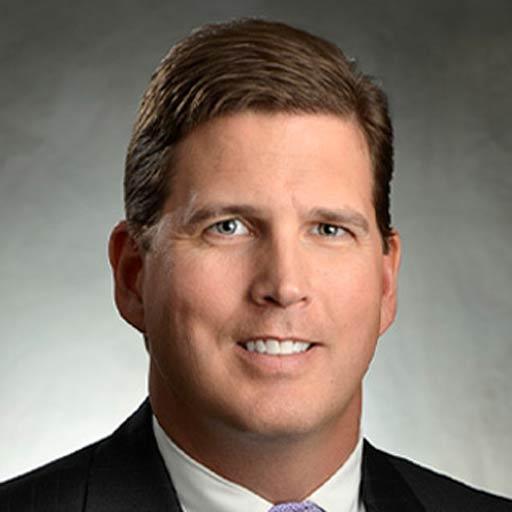

On this episode of Scrub In, Stephen D. Porter, CEO of Piedmont Fayette Hospital, Piedmont Health, and Jason Klopotowski, MD, Surgical Directions, Lead Physician Managing Director, discuss Piedmont’s journey to improved anesthesia coverage and OR access.
Podcast Transcript
0:13 The opportunities at Piedmont that directed us and connected us with Surgical Directions was an evolving and
0:19 changing anesthesia landscape. We have a very large system
0:26 About 17 acute care hospitals and we had nine different anesthesia provider groups
0:32 supporting our hospitals from an employee group to community groups to groups that are now national sized groups
0:39 that are primarily private equity backed. And over the last few years, we saw that
0:45 our hospitals that were covered by groups that were primarily backed by
0:51 private equity were in a position where they were being asked to pay more and
0:56 more for services and those services were not performing at the
1:03 level that we expected in many cases or in some cases. But also, the threat of
1:11 disruption to our surgical services footprint by contract negotiation,
1:16 potential threats of termination of our contracts really forced us as a system
1:22 to ask ourselves, well, why aren’t we doing this ourselves, in order to
1:28 minimize the potential impact of one of our key profitable service lines and also to ensure that we have
1:34 procedural and operational continuity throughout the system. So, we were able to connect with Surgical Directions’
1:41 great expertise in the space and we early on knew it was people
1:47 that we should work with and we engaged, what now Jason, maybe about two years or
1:53 so ago. About two years. Yep. Yeah. Yeah. This winter. Yeah. And Steve and you
1:59 know I thought and you said it so well but really your main question that you
2:04 had in the leadership there at Piedmont was you know there are some gaps
2:10 in our anesthetic service. A lot of questions about value. We have escalating cost and we don’t feel like
2:17 we’re getting the value from that service. Bottlenecking of procedural care multiple of your
2:23 centers. And then really, I think a big part of the project was not only those questions and validations of is
2:31 employment right for us but also doing a high-level inventory and gap analysis of
2:36 some of your other practices as well whether it be a national vendor or a small local community and then comparing
2:43 and contrast that with some employed services you already have. I agree 100% and I think too with that is how we
2:50 brought operational performance of our hospitals into the equation as well
2:56 because our cost of anesthesia may have also been increasing due to or
3:01 performance or opportunities to improve the performance of our operational services. We always said
3:08 from day one Jason that you can’t optimize anesthesia without optimized
3:14 operations. So, how do we bring the two together? Right? And I think a big part of our work early on when we had this question
3:20 of what would the financials and care of our patients look like if we were to transition to other services was a big
3:27 part of that. Taking into account your surgical volume at various places. Communicating you and other leadership
3:33 where you were, you know, where was normal, what was below normal, what was, you know, doing very well in that
3:40 space. I think another big part that we looked at early on was some of the variable contracts you had and you had
3:46 different vendors, but even with employed sites, there were contracts and some legacy contracts that we found
3:53 um some opportunities for um financial and alignment improvement with the
3:59 providers in those groups. Yeah, I think you’re completely correct. I mean, if you think about it, even on our employed side, those sites became
4:06 employed out of necessity. Either the groups were unstable or we acquired an employee group through merger or
4:12 acquisition and there was no consistent process for how do we pay positions, how
4:18 do we pay anesthetist and what are the expected needs from a coverage model
4:24 perspective. It was piecemeal and we were working closely together to standardize as much as we could across
4:30 the system. Right. I mean, I know one location early on, the physicians and the
4:36 providers practicing there, you know, they really weren’t giving you the value as far as what their call schedule
4:42 was. And, you know, looking back at the contract, talking with you all about best practice, amending some of that was
4:49 really something I thought was important early on to look at the locum’s, cost mitigation strategy that you all had.
4:55 And you know, finding out and doing that initial inventory of where you stood at all of your practices, I think was a
5:01 really key first component of this to see where you wanted to go after several
5:06 months of looking at this. What is the strategy, goals, and tactics we’re going to use to get there. Very much so.
5:11 Yeah. Looking back in almost two years ago, you know, we kind of sorted it as to
5:17 where were the best opportunities to improve patient care and financial situations, right? So, first and
5:25 foremost, it was a long hard look at the vendor-backed staffing
5:30 companies, that were involved in some of their larger hospitals.
5:35 Looking at where the options would be to part ways with that group, what would it look like on the other side,
5:42 what would other vendors or employment look like, and doing a lot of the dirty work there to find out what that
5:48 situation actually looked like in reality. I think another big part
5:54 that we looked at early like we just spoke about was a lot of the contracting. But I think one big
6:00 thing also was trying to bring in and some of the early work we did for
6:06 standardizing some of the ways that anesthesia’s practice within Piedmont.
6:11 There were a lot of silos and everybody was speaking the same language but it was a little bit of the different
6:18 dialect. How PTO was done, how schedules were done, how we do staffing
6:23 ratios, what is the scope of practice for CRNAs, and while we worked on the
6:28 immediate need of making sure that they had the best relationship with a vendor or employment, we started working in
6:35 some of those things about a larger picture, a longer strategy as far as aligning anesthesia services with best
6:42 practice and procedural care operations. Yeah, Jason, I don’t disagree. I think
6:48 too what we did is we had to become educators. The hospital operators themselves
6:55 really you know were running operations but they didn’t understand the role anesthesia can play in that the cost of
7:03 what is the cost to run an OR, what’s the cost to run an OR if you’re
7:08 only utilizing it 50% or 40% how we need to bring in it’s not just
7:15 an OR issue it’s a procedural issue it’s anywhere in the hospital that is supported by anesthesia and the roles
7:22 that they can play, the type of care models they were demanding when, hey, you don’t really need a physician for
7:27 this piece. It probably would be better to use an anesthetist in this area. So,
7:32 looking at that was incredible, but also as we were trying to figure out options, you know, we went through kind of a
7:38 prisoner’s dilemma process, you know, everything. Is there a way to change the relationship with the current vendor to
7:45 be more aligned with the facility or the systems needs? Is there a different partner out there
7:50 that we could bring in and actually look at maybe creating a joint venture model? We talked to one or two companies out
7:56 there. And three, what is it? Do we really understand what it means to take on an
8:01 employed model? When we talk about an employed model, we’re talking about possibly building a group of 600
8:06 providers, right? And that’s a that would make us one of the largest anesthesia groups in the US.
8:13 And are we able to do that? So that was the more long-term vision. You know, do
8:18 we need to take interim steps through A, B, and C to get to that or do we just I
8:24 think we had a very open direct conversation about do we just go ahead
8:29 and pull the band-aid off now and just do it, which is what we ended up doing. Yeah. And I think along that path, we
8:36 also talked a little about MSO or managed services, you know, options there. And you know are there groups
8:43 out there that could help us manage because one big part of this was leadership and organizational structure
8:50 and making sure the infrastructure was there to carry this out successfully. You know what are we going to do about chiefs
8:56 here right? What are we going to do for scheduling? What are we going to do with payroll? What you know all these
9:02 things to make sure we had everything lined that we eventually were able to say Steve Piedmont I think we can pull
9:08 this off successfully. And those were just again it was two years of work wrapped up into this short podcast. But
9:15 those were big parts. I think leadership and finding the right leadership was also really key for the
9:21 long-term sustainability of this and thankfully you guys found one. You know it’s proving to be pretty
9:27 challenging out there in the world of anesthesia. And then you know the other thing that
9:33 came to mind was the revenue cycle. You know, I think that was a big factor in, you know, bringing that in house, maybe
9:39 finding the right partner. What is that improved performance of, you know, revenue cycle and how can that offset
9:45 some of the costs that we may incur for this um transition? Yeah, that tied in part of the
9:50 standardization as well. We had three different r anesthesia revenue cycle companies covering a small footprint and
9:58 how do we consolidate down to one or two in order to drive revenue cycle
10:03 performance and which has been fairly dramatic for us in many ways in terms of the better performance uh goals that
10:11 we have met. So I just want to chime in. I think another thing came to mind that was really crucial to the success we had,
10:17 especially with the three um sites that were run by a large national vendor. Um
10:22 Steve and Piedmont, you all made a huge investment um for some of the legal
10:27 restrictive covenants to allow those providers to stay at Piedmont, which was from the start one of the most important
10:34 things you all wanted and pointed out. Yes. a retention strategy to make sure
10:39 that that investment wasn’t wasted was a huge part of the work we did and ultimately I believe one of the most
10:46 important things to the success of this transition and frankly for how Piedmont
10:51 is perceived in the market you know there aren’t not everybody decides to pay out these restrictive covenants
10:58 really and retain in an aggressive manner uh the providers that are there
11:03 that have been caring for their community have been at their hospitals and know the administration that know the surgeons. Um, and that was a
11:10 really big piece of this and the success that followed. Well, we were able to retain 98% of the
11:16 providers, which was it’s really unheard of when you’re going through these transitions. So, Right. Right. And that was with
11:25 salaries and compensation packages that were um that were at market rates. I
11:30 mean, we did a lot of work to make sure that the compensation packages were appropriate and would be able to not
11:36 only retain but recruit. And I think it’s a real testament of the fact that, you know, the culture that was there and
11:42 within Piedmont is a big factor in keeping people in their seats in this really dynamic um anesthesia world right
11:49 now. I was going to just say that I it wasn’t the money. No, that but it was people wanted to remain
11:56 in the culture that has been developed and we just we didn’t want that to change either. So it was a big
12:02 investment but at the end of the day we’re going to save
12:07 save a fortune because again we retained 98% and the
12:12 cost to replace 50% would have far exceeded what we had to pay for those
12:18 providers to be able to stay here. Yeah, we did have a concern about safety. If we had to bring in
12:25 50 60% of the workforce as contractor locum that always introduces a risk to
12:33 the environment. It’s a new environment. You create more holes in the Swiss cheese where things could reach where
12:40 harm could reach the patient. We have a very high quality anesthesia team across
12:46 all of our hospitals and the ones that we just transitioned over
12:52 were our top performers in the country in terms of anesthesia quality and safety. So yeah, we did have a concern
12:59 that if we didn’t retain as many as we could, we could have introduced a
13:06 an opportunity for harm to reach the patient. And so that that did factor into our decision.
13:11 I think the calculus in that decision has changed a little bit over the last maybe five or six years. Um you know the
13:19 locum’s pool is different now than it was 5 years ago. And you know one of the
13:24 um calculations we had done when we were figuring this out is attrition and locums replacement rates and where are
13:31 those thresholds? What does it look like? What does the cost look like? What does it mean to patient care? So those were all very thoughtful factors that we
13:38 weighed in and talked to Steve and the rest of Piedmont leadership. Um and then we also had a plan if there was a
13:45 fair amount of locums, how they were going to be vetted, how you know what companies were going to serve us uh the
13:51 best way um and other factors like onboarding that were trying to make sure
13:57 that we ensure um great patient care. And I would put on top of that that was
14:03 one of the reasons we have had a business reason and a quality and safety reason to create our own internal 1099
14:10 locum’s company. If someone wanted felt they needed to leave because of X Y or Z
14:16 well here’s an opportunity for you to stay part of our team through a 1099 relationship so you don’t have to go out
14:23 to a local company or go to another company. Um, we want to provide opportunities for our prov wanted to
14:29 provide opportunities for our providers to know that we want them here. This is their home and we made we put various
14:37 options on the table to allow them to do that. Yeah. And I think that was really smart.
14:43 I mean, the anesthesia market right now we’re seeing everywhere, not just in the metro Atlanta and Georgia market, is a
14:50 big want for 1099. Most people are going that locums route and you know Piedmont
14:55 and Steve and the rest of the leadership set up a viable um offshoot that would
15:01 allow people to be 1099s and still uh be there for Piedmont providing for their patients.
15:07
One of the things we did once it became public and we could speak, we approached it with as much transparency
15:13 as possible. Um, we set up town halls. We set up opportunities for our leaders
15:20 to be out in the hospitals and answer questions real time. We didn’t we didn’t
15:26 want them to hear, hey, we’re making this change, and then they don’t know what their future is. So we invested
15:32 hundreds of hours to ensure that we had an opportunity to meet them face to face
15:38 for us to be able to look into our eyes and see that we were 100%
15:44 committed to this transition and to them and that we wanted them to be part of this family and part of this program. Uh
15:51 so transparency I would say was a big factor. you know,
15:56 emails pro emails going out for me and others to ensure that they understood where we were throughout the process and
16:04 really listening to them and following up with they had a question, we made sure that if we didn’t have the
16:11 answer then they got an answer within a timely period of time. So, just the
16:16 transparency piece was key to this as well. Well, I’m gonna pile on there, Stephen.
16:22 I’m not going to say it just because you’re on the line with us, but um I’ve got to say um the senior leadership at
16:29 Piedmont being as involved in this as you all were was really another key to success. And I think it shows in that
16:35 98% retention rate that you had. I mean, I remember being um the spring or the
16:42 winter of last year and we were at one of your largest facility at 6:30 a.m. in
16:48 front of a bunch of anesthesia providers just to sit there and talk and answer questions. You know, one of the biggest
16:54 mistakes I think organizations make when they’re considering or doing these transitions is that lack of transparency
17:00 and lack of communication plan because the rumor mill spins up really quick and
17:05 before you know it, there’s a lot of um false narratives that are going around that are causing people to look for other opportunities and they just didn’t
17:12 do that there. They probably looked, but um kept them in the loop. There wasn’t a
17:17 lot of negativity. Um someone was always available. you had weekly updates that
17:22 were being read. Um, you had leaders that you identified that you could speak to and hear from the group,
17:28 understand what’s going on, and it was addressed quickly, which I think was superb.
17:33 And that’s not saying we didn’t have naysayers. And so, you’re always going to have that 10%. And so, we really
17:41 aggressively manage that 10% as well. and to make sure we put the energy into
17:47 that 10% to show them that we wanted them to be part of this as well. We
17:52 lost a few people but you know at the end of the day that may not have been a
17:57 bad thing but we were able to you know just again to retain 98% was
18:04 incredible. Well, you know I tell a lot of clients retention of 100% not isn’t necessarily
18:11 a good thing. Yeah. Exactly. um from a from a business standpoint, it means you’re probably overpromising um something in that
18:18 compensation package. Yeah. So, we’re going through two phases. Um one with some of the providers that came
18:25 over, we assumed their existing contract and it was assigned to us and so we’re
18:30 now finishing a process to convert everybody to Piedmont paper and our standardized compensation model that
18:37 we’re now utilizing across all of our employed sites. So part of the tangible is um is just around that we have a
18:46 better way of measuring performance tying dollars to the work effort. Um you
18:52 know the comp may have gone up a little but at the end of the day it’s saving us money uh in terms of the way
18:58 uh it was being managed before. uh some things that we found in certain situations that all right that’s a that
19:07 we’re paying for we’re paying people for services possibly not being provided and so we’ve been able to eliminate some of
19:14 the waste there uh I think too as we’ve now are more
19:19 stabilized we’re able to sell a two future or potential uh employee I don’t
19:27 even like to call them employees anesthesia partners Um, hey uh with this you can come
19:35 in and have a career. If you want to come in early in your career and work in a very advanced hospital, we have that
19:43 for you. As you move further in your life cycle and now you have a family and kids and want to move out to a rural
19:50 area, we have or an urban area. We have hospitals there that match your
19:55 lifestyle. We have ASC’s. And so now we have something to really re recruit into
20:01 that will allow us to move away from the locums uh the number of locums that
20:08 we have in the system or contracting providers we have in the system. So we
20:13 we are starting to see some of that change where contract people who were contract to us are now migrating to
20:20 either our 10 1099 program or coming back to us as W2s. So the savings
20:27 opportunity associated with that is very dramatic when you look at the scale and size of our system. And I think what’s
20:33 also happening is that other groups that are in the market
20:39 that support our hospitals are seeing what is occurring and they’re hearing
20:46 positive things uh from our from the providers who have gone through this. And so we now have groups that,
20:53 you know, may be a little unstable in their market, maybe they’re smaller
20:58 groups or whatever, who are reaching out to us and saying, “Hey, we’d rather be part of you versus selling to another
21:04 national firm or something along that line. So we’re seeing a lot of positive
21:09 in indicators. It’s still fairly early for us. I mean, we made this transition May one. So there’s been a lot that has
21:16 occurred between May one and now. and we’re about to bring on another hospital in on November one and we got two others
21:23 lined up. So that’s some of the positive outcome that we’re seeing by
21:28 offering the providers uh in our hospitals a a stable
21:37 consistent program to join where they don’t have to wonder, hey, are we going to have our
21:43 contract with the hospital renewed this contract term? Are they going to go out to market? are they going to try to
21:48 bring someone else in? There’s a lot of positivity and that’s associated with
21:54 what we have done. Yeah, I completely agree with that. I just wanted to go in a slightly different direction that I’ve seen over
22:00 the last few months um that maybe isn’t as quantifiable. Um but there’s a qualitative component to it. Having
22:07 anesthesia under a large portion of anesthesia under employment especially at your larger hospitals. Getting that
22:14 data, understanding the hows, whys, whens, of anesthesia, why the costs are x,
22:19 y, and z. what can we do to um bend that curve a little bit and understanding
22:25 then going to those hospitals and explaining to them and kind of teaching them kind of going back to what you were
22:31 saying earlier Steve you know allowing that anesthesia service to almost be a
22:37 um a reason to engage some of the hospitals and leaders in understanding
22:43 how they can run the OS a little better. I think those are conversations that’s stemming a little bit out of this that
22:48 is also going to have a large impact very much so and that’s part of what we said about the educational piece and
22:55 making sure they understand how the entire book of business works and how they are relying on one another.
23:03 Um go ahead. I say the other thing too when we look at the value proposition and I
23:10 touched on it a little earlier, we probably focus more on stabilization
23:16 versus cost reduction. Um, and when you look at if you have an
23:22 unstable anesthesia network or provider group or it’s going to end up costing
23:28 you a heck of a lot more. Are you having to close ORs? Are you being forced to
23:33 reduce services if you know if someone were to just say we’re no longer working
23:38 in your hospital, we’re terminating your contract. I mean that’s 50 some
23:44
percent of your hospital’s revenue that it completely gets disrupted. So we’ve focused on stability first, optimization
23:52 second and this is all within the whole at the whole context of we wanted to
23:59 create a great work environment that people wanted to be part of and want to be part of a culture stabilization
24:05 opportunities for efficiency which will then drive the cost equation and then
24:11 just the opportunity for growth and development and how do we how do we
24:16 bring people in grow them and give them an opportunity to really have a very complex career with all types of
24:25 anesthesia sites and services that they could participate in from very large complex transplant hospitals all the way
24:31 down to ASC’s. Yeah, it’s kind of a if you build it, they will come scenario, right? I mean,
24:37 you know, and as you said that, you know, I don’t know what the latest numbers are, but I believe the cost of
24:42 locums and premium pay has been slightly decreasing as we’ve gone through this. And I think it’s just a reflection of
24:49 um the culture of place people want to work and you know, transparency and leadership that we talked about.
24:55 I mean, before it was primarily through a middleman, you know, now it’s direct.
25:01 And I think that’s one of the things that the providers were shocked about when we were able to start talking
25:08 to them in in person that, you know, they didn’t realize that,
25:13 well, you what do you mean no one told you we were needing X, Y, and Z or no
25:19 one told you about our issues or concerns here? Um it was our
25:24 relationship was through a middle person you know basically whoever ran
25:30 the various groups that have become part of Piedmont and so the frontline providers were assuming that we weren’t
25:37 just listening and many times they’ve realized no one was telling us and I
25:43 think that has helped dramatically. I mean they I get emails directly. I mean I open up here’s my email address
25:49 Feels like most of them have my phone number based on the number of phone calls and text messages I received
25:55 too. So but that’s part of it. That’s part of the transparency and you know being giving them giving them the
26:02 ability to know that people are listening. Yeah. And I think it got even a little more granular and I don’t want to get
26:08 too many details about or specifics, but you know, there were stipends that were approved by Piedmont that never got or
26:16 potentially didn’t get passed down to some of the providers. And um I think those were some instances where
26:22 there was some trust uh that was lacking and some miscommunication I think was um
26:29 alleviated uh through the transition to employment. And again, we’re not talking about any
26:36 one group out there. We’ve got many groups that have come into Piedmont. Uh,
26:41 and so, but there are some commonalities in all those groups and that was a gap,
26:48 a perception that we were just not listening. And we’ve been able to, I
26:54 think, eliminate most of that thought. Again, not everybody is a is 100% uh
27:02 on board yet with I think there’s still an area of all right, this is nice.
27:07 And before you get all my trust, I need to see a few more months of this. It was an absolutely wonderful client to
27:14 work with. Leadership was fantastic and like I said before, it was a huge key to
27:19 the success and this frankly very risk heavy um decision that was made.
27:27 Yeah. Um, and again, I think it is what I’d say is if you’re contemplating doing
27:33 it, um, it can be done, it can be done successfully. It’s scary to jump into
27:40 it because of the potential disruption, but I don’t think the anesthesia market
27:46 as is going to get any better. So I find it and we found it much better to say
27:52 we’re in control of it and we’re controlling our destiny versus third parties controlling our destiny. I
27:59 think too Jason I’d like your thoughts briefly on this as well is what really also made it successful is this was
28:07 something that was supported from the board level of this company all the way down. uh our CEO uh Kevin Brown uh the
28:15 executive vice president for the system who over who was my partner and who I reported to with this Michael Mandal
28:22 once we said do it they threw all the resources to make sure it was successful so um it had to be done as a system and
28:31 the fact that the board the CEO the executive vice president were completely
28:36 behind it and once we said we’re doing it we’re doing it made it much more
28:41 seamless and um I don’t think we would have been successful if we didn’t have that level of support throughout the top
28:48 levels of the organization. I completely agree. I knew we’d be successful when uh early on we asked
28:55 about goals and it was you and some of the other leaders from there and you know you made your goals very clear and
29:00 made it clear that it was supported from high levels within Piedmont and I knew that um with the transparency
29:08 the uh goals being um agreed upon that you know we could do this successfully
29:14 with their support and I for me it really came out when the board and Kevin Brown the CEO we had
29:19 what was called a plan on the page which is our strategic priority for the next year. Anesthesia was listed as the
29:27 number one strategic priority for the system to ensure its success and to ensure that we were stabilizing
29:32 anesthesia. So that rallied the whole system around making it successful as well.
29:39 And to be honest with you, in order to make these things successful, there has to be the ability to um pivot um you
29:47 know, change course at times, take different tactics, and at all time and in no time during this um engagement did
29:55 I ever feel as though there weren’t um ears to be receptive to some of the
30:00 concerns we had as a consulting company or you had on your end that weren’t listened to and reacted to fairly
30:06 quickly. Um and that was also a huge factor in the success.